All Categories
Featured
%2Fstory1%2F2731278%2F89a6667dcabd6fc7923e9751c85974cc5967.jpg&w=3840&q=75)
Analyzing Investment ROI Against Market Data
Table of Contents
Growing a restaurant from one or 2 locations into a multi-unit chain is the dream of many operators. But scaling without slipping into losses or losing culture is uncommon. In a webinar, Fourth's CEO, Clinton Anderson took a seat with Jason Morgan, CEO of ChopShop, to unload the lessons gained from scaling 2 effective restaurant brand names.
Numerous brands chase growth before the fundamental engine is strong. As Jason noted, "growth of an ineffective operating design is a disaster." Unless you currently have: A separated brand that resonates A proven unit economics model And functional rigor you risk watering down quality, overspending, and striking underperformance quicker than you anticipate.
Corporate Expansion Updates and Regional 2026 Milestonesvariable cost structure, and margin curves as sales scale. Jason shared that many operators do not understand their break-even sales or minimal margin gain as volume boosts, and yet they green light brand-new systems. This isn't simply theory. As Restaurant Service notes, operators that jeopardize on system economics "usually stop growing sustainably" as inflation, labor pressure, and lease continue to rise.
Expansion News: New Milestones in 2026
Brand names with clear expense visibility and disciplined growth are weathering inflation far much better than those chasing after volume for its own sake. Lots of brands can talk distinction, but couple of carry out consistently throughout markets.
Ensuring your operating design truly works before growth is the distinction in between scaling success and increasing inefficiency. Jason emphasized that both ChopShop and his previous brand name, Zos Kitchen area, succeeded due to the fact that they offered something couple of others were doing. When your principle is too generic (hamburgers, pizza, tacos), you compete on margin alone.
Jason talked about cash-on-cash returns, breakeven volumes, and margin enhancement curves. In the webinar, Jason shared that in Dallas, ChopShop expected brand-new systems to hit 50-70% of Phoenix volumes.
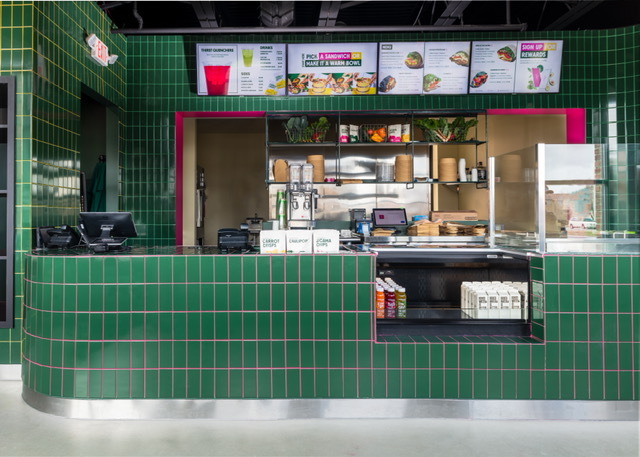
Top Advantages of Fast Casual Expansion in 2026
Some lessons from Jason's experience: Accept that brand-new stores will open slowly. Be capitalized with a buffer to take in early losses. In a brand-new market, goal to open 4-6 stores within a 2-3 year period to construct awareness and justify above-store assistance. Seed market leadership and move proven operators into brand-new markets to "live it daily." These methods assist avoid overextending early and permit regional brand momentum to develop naturally.
Jason explained how ChopShop built profession paths from hourly roles all the method to local leadership. Some of their essential individuals metrics: Per hour turnover around 97% (approximately half what industry norms frequently report) GM period exceeding 4.5 years Over 80% of GMs promoted internally They likewise created "AGM-in-training" roles to prepare new supervisors before a store opens, a smarter, proactive way to grow bench strength.
It's uncommon (and slightly audacious) to make an IT lead your 4th hire, but that's exactly what Jason did at ChopShop. Their tech stack allowed the service to seem like a 150-unit brand name even when they had just 18 places, a strength benefit when COVID struck. Key tech financial investments consisted of: A modern POS (instead of tradition systems) Back-office systems and stock tools A data warehouse (Mirus) to generate real reporting Digital purchasing and commitment combinations (today 74% of sales are digital, and 40% bring commitment IDs) As highlights, innovation is no longer optional, it's how operators scale naturally, manage costs, and reduce risk.
Without a complete view of cost structure, AUV can be deceptive. If you don't money early ramp losses, you might be forced to retreat. If expansion outmatches your bench, quality erodes. Waiting to "grow" before developing systems is a regular error. Scaling isn't simply about store count, it has to do with growing a company that retains brand identity, quality, and function.
Essential Strategies for Expanding Hospitality Footprints
It's much simpler to broaden when growth is grounded in clearness, rigor, and a people-first principles. Want to hear this all directly from Jason? Enjoy the complete webinar on-demand to find out how ChopShop is scaling successfully. If you 'd like a turnkey growth assessment, monetary design evaluation, or to explore how linked operations software can support your scaling journey, reach out to 4th.
Everyone, welcome to our webinar today. Our session is all about the growth playbook for restaurant CEOs with an amazing visitor speaker I will present for a short time. So we'll go on and get things started. I'm Christina from the 4th group here as your host. And just as people are signing up with and signing on, I'll use this time to cover a quick few housekeeping notes.

Latest Posts
Dominating Fast Casual Restaurant Volume in 2026
.jpg)
Analyzing Fast Casual Sector Share Trends for 2026
Why Hospitality Brand Share Will Be Surging